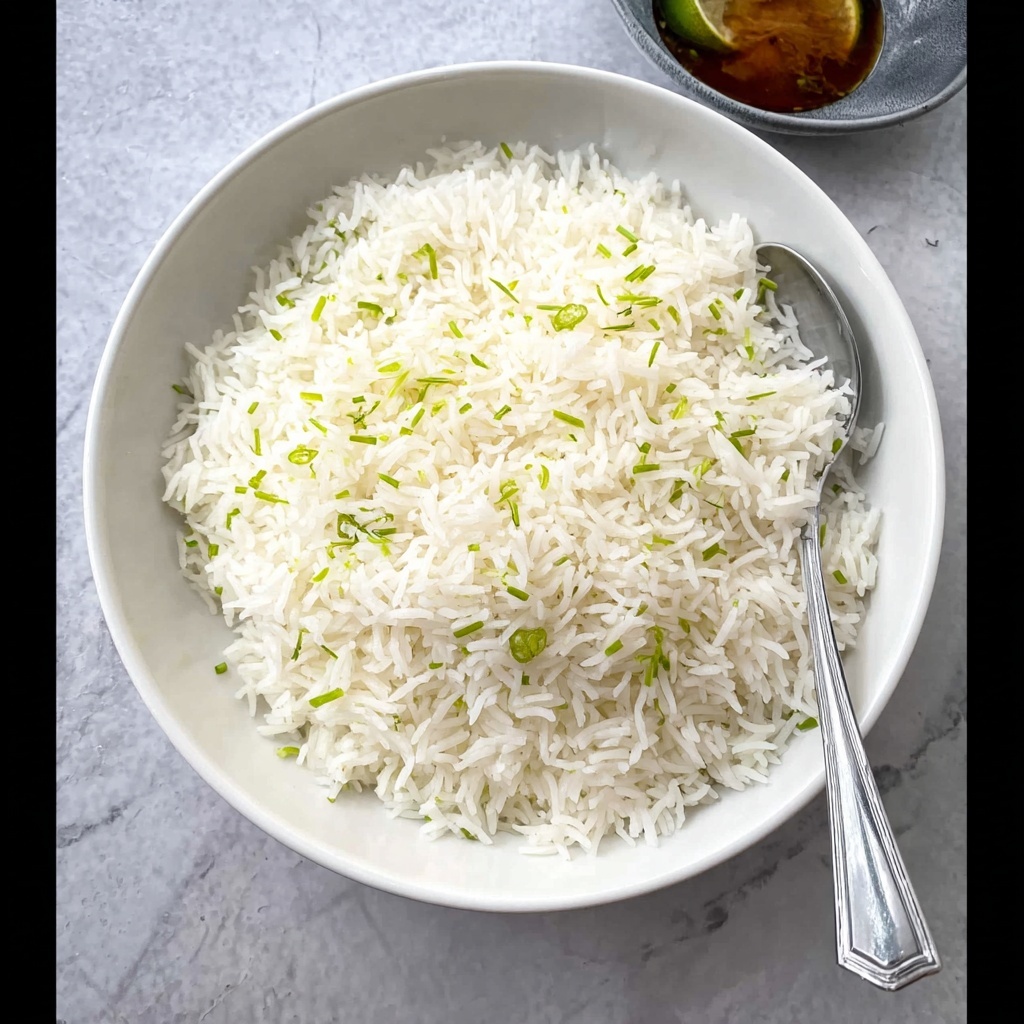
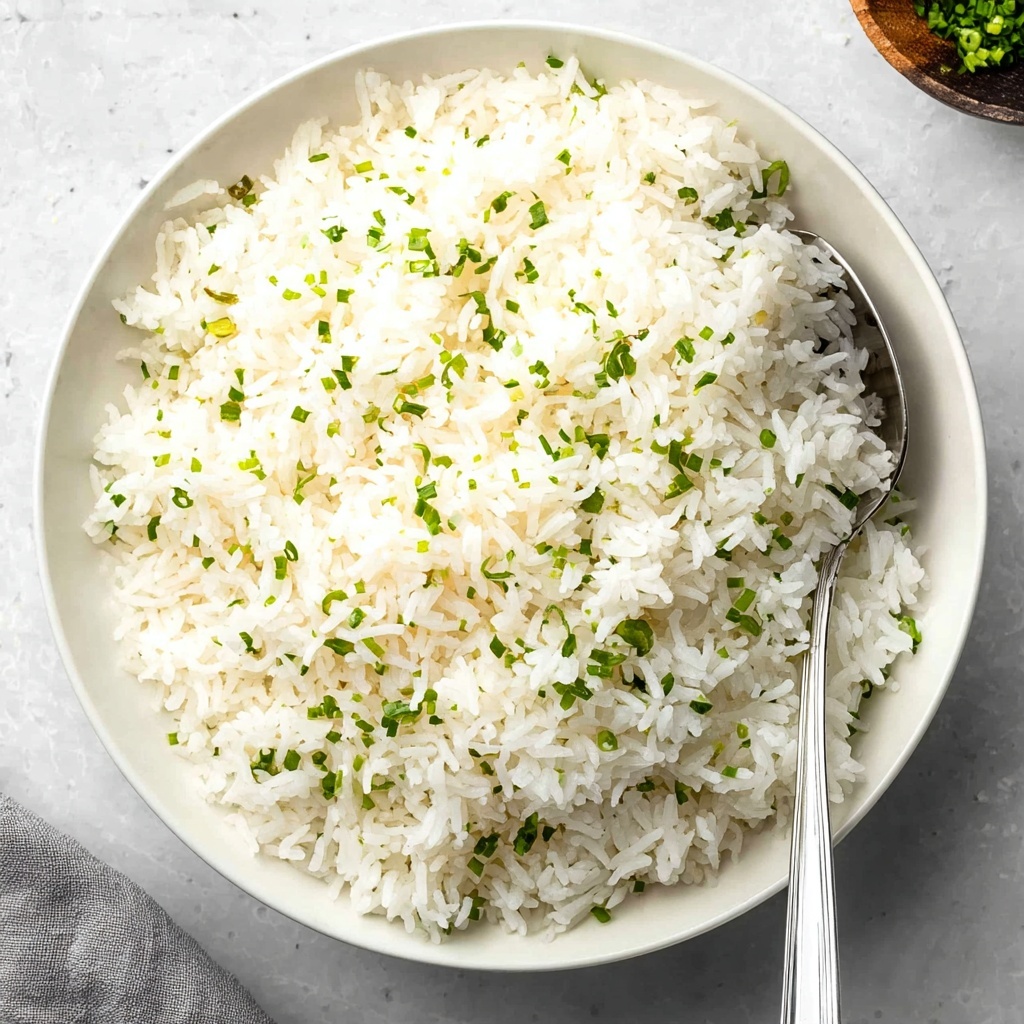
If you have ever wondered how to master perfectly fluffy and fragrant rice every time, you are going to fall in love with this Basmati Rice Recipe (Stovetop Method) Recipe. This simple yet foolproof technique brings out the aromatic charm of basmati rice with tender grains that are separate and light, making it the ideal base for countless meals. Whether you’re pairing it with rich curries or enjoying it plain, this stovetop method ensures your rice is always a star on the plate.
Ingredients You’ll Need
These ingredients are refreshingly straightforward but wildly important. Each one plays a key role in unlocking the best texture and flavor from your basmati rice, proving that sometimes less really is more in the kitchen.
- 1 cup dry basmati rice: The heart of the dish, known for its long grains and fragrant aroma.
- 8 cups water: Generous enough to cook the rice perfectly without sticking or burning.
- ½ teaspoon kosher salt: Just the right touch to enhance the natural flavor of the rice.
How to Make Basmati Rice Recipe (Stovetop Method) Recipe
Step 1: Rinse the Rice
Start by adding the rice to a fine mesh sieve and rinsing it thoroughly with cold water. Move the grains gently with your hand to ensure every bit gets rinsed, and keep going until the water runs clear—this usually takes 2 to 3 minutes. This step might seem small, but it’s a game changer, washing away excess starch for perfectly fluffy rice that doesn’t clump together.
Step 2: Boil and Simmer
Pour the water and kosher salt into a medium pot and bring it to a rolling boil over high heat. Once boiling, add your rinsed rice in, then lower the heat to a gentle simmer. Let it cook uncovered for about 8 to 10 minutes, or until the rice grains are tender but still hold their shape beautifully. This is where the stovetop magic happens—controlling the heat keeps your rice from overcooking or getting mushy.
Step 3: Drain and Rest
After the rice is tender, strain it immediately using the fine mesh sieve. Allow the rice to sit in the strainer for 5 minutes so that any remaining moisture can drip away. This resting step is crucial as it helps each grain dry out just enough to stay light and separate, enhancing the texture you crave in a great basmati rice dish.
How to Serve Basmati Rice Recipe (Stovetop Method) Recipe
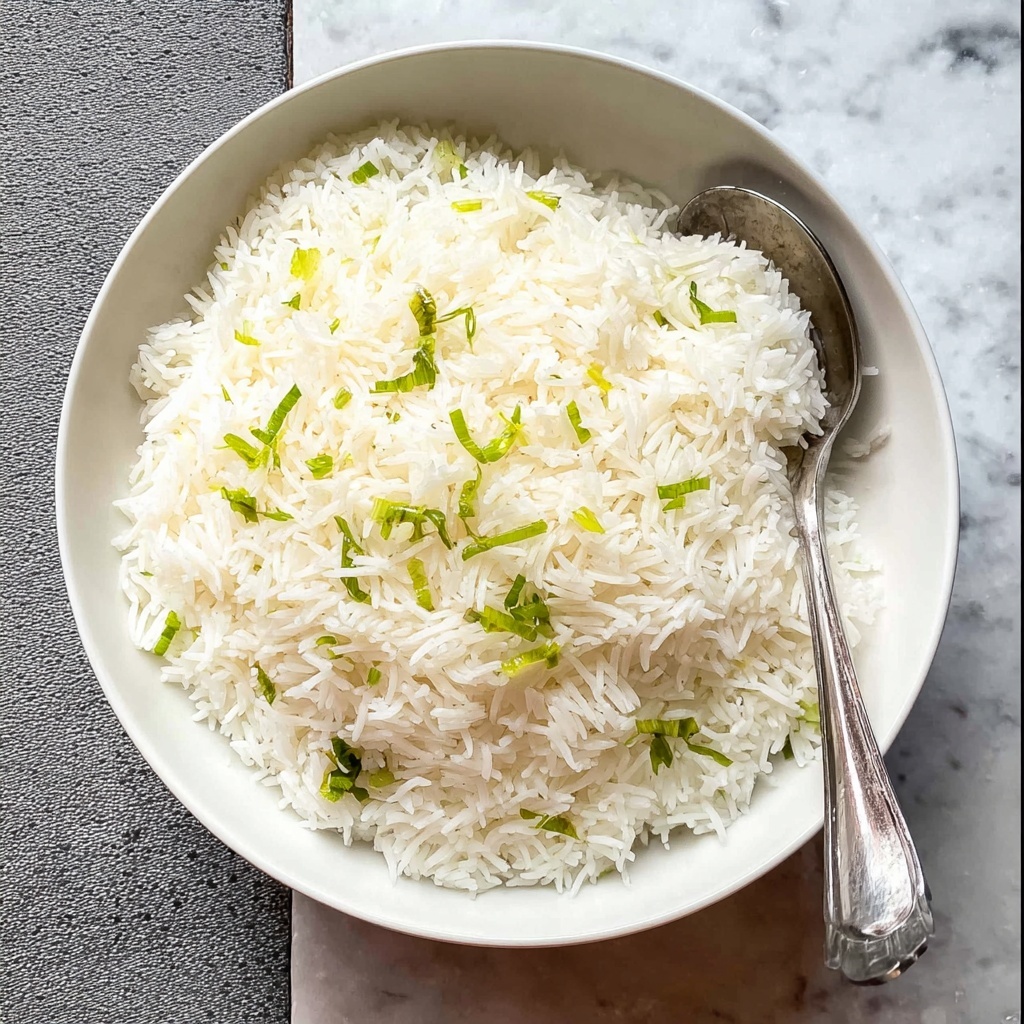
Garnishes
Adding garnishes can elevate your basmati rice from simple to sensational. Try sprinkling toasted nuts like almonds or cashews, some fresh chopped cilantro, or even a dash of fragrant saffron threads soaked in warm water for a burst of yellow color and subtle aroma. These touches add texture and appeal that excite the senses with every bite.
Side Dishes
Basmati rice is an incredibly versatile side that pairs wonderfully with a wide range of dishes. Think vibrant Indian curries, spiced kebabs, stir-fried vegetables, or even grill-roasted chicken. Its delicate flavor makes it a perfect canvas for bold and hearty sauces that soak right into the fluffy grains.
Creative Ways to Present
For a fresh twist, turn your stovetop basmati rice into a flavorful pilaf by gently tossing it with sautéed onions, garlic, and aromatic spices like cinnamon and cardamom post-cooking. You can also layer it beautifully with cooked lentils or roasted vegetables for a colorful, nutrient-packed feast that looks as good as it tastes.
Make Ahead and Storage
Storing Leftovers
Cooked basmati rice stores wonderfully in the fridge. Transfer your cooled rice into an airtight container and keep it for up to 4 days. Keeping it sealed not only preserves freshness but also prevents it from absorbing any unwanted odors or moisture from the fridge.
Freezing
If you want to store basmati rice even longer, freezing is your best friend. Spread the cooled rice on a baking sheet and freeze it for a couple of hours until firm. Then, transfer it to freezer bags or airtight containers and store for up to a month. This method prevents clumping and lets you thaw only what you need.
Reheating
When it’s time to enjoy your leftovers, reheat the rice gently to bring back its fluffy texture. You can sprinkle a few drops of water over it before microwaving covered, or reheat it in a pan with a splash of water over medium heat while stirring occasionally. Both methods steam the rice lightly and breathe life back into those grains.
FAQs
Can I use a different type of salt in the Basmati Rice Recipe (Stovetop Method) Recipe?
Absolutely! While kosher salt is preferred for its clean taste and ease of measuring, you can substitute with regular table salt or sea salt. Just adjust the quantity slightly since these salts vary in saltiness by volume.
Is soaking basmati rice necessary before cooking?
In this stovetop method, rinsing thoroughly is enough, but soaking can shorten the cooking time and help the grains cook more evenly. If you have time, soak your rice for 20 to 30 minutes beforehand, then drain before cooking.
Can I add spices during cooking to infuse flavor?
Definitely! Adding whole spices like cardamom pods, cinnamon sticks, or cloves to the boiling water will infuse your rice with subtle, aromatic notes. Just remove them when straining the rice for the best texture.
How do I prevent the rice from sticking to the pot?
Using plenty of water to boil the rice and stirring gently right after adding the rice helps. Also, avoid covering the pot while simmering during this particular method, so steam escape prevents clumping.
What should I do if my rice turns out mushy?
If your basmati rice ends up mushy, it usually means it was overcooked or held in water too long. Next time, try reducing the cooking time slightly, and be sure to strain and rest the rice completely to let excess moisture evaporate.
Final Thoughts
There is something truly satisfying about mastering the Basmati Rice Recipe (Stovetop Method) Recipe—the way each grain cooks perfectly and carries that subtle nutty fragrance is pure comfort. Whether you’re making a quick weeknight dinner or impressing guests with a home-cooked feast, this method will become your go-to. So grab your pot and rice now—it’s time to create some kitchen magic!