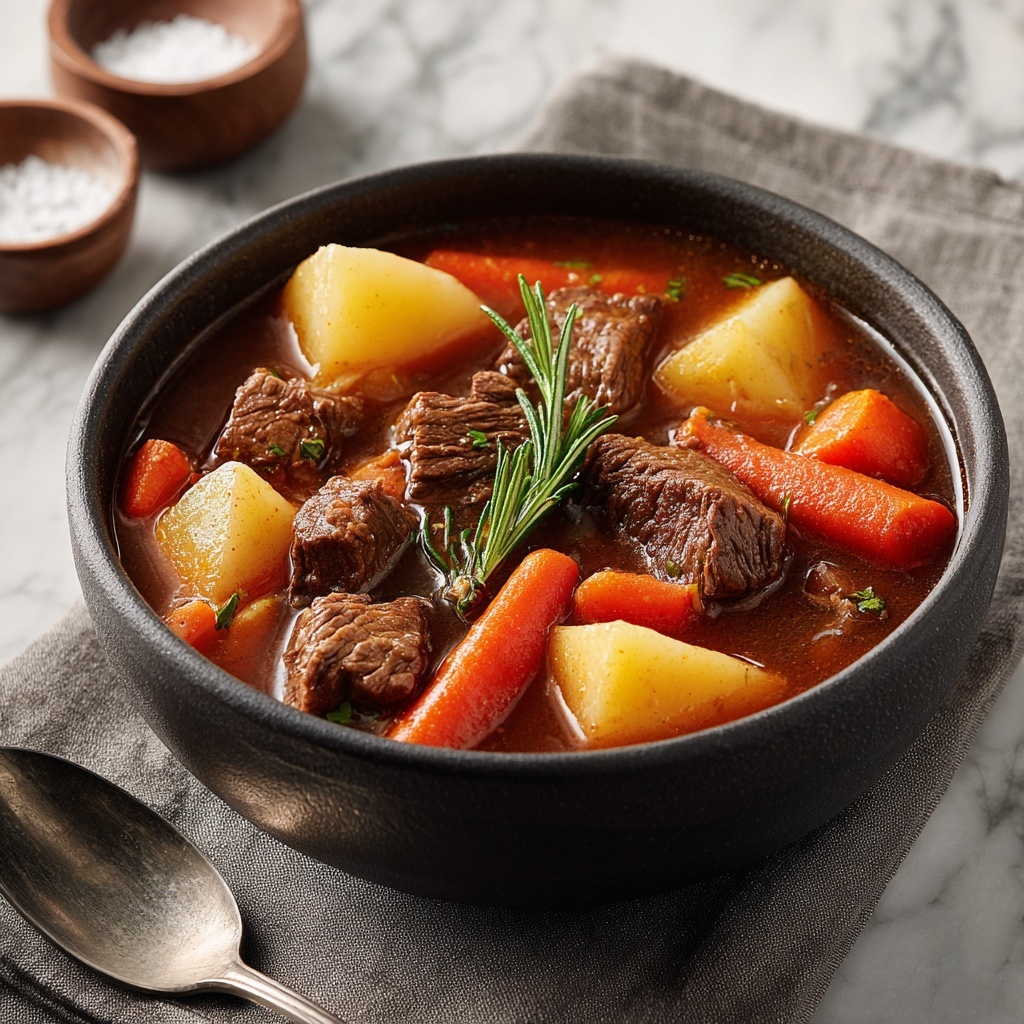
If you’ve ever craved a bowl of comfort that warms you from the inside out, then this Hearty Beef Stew with Root Vegetables Recipe is exactly what you need. Imagine tender chunks of beef chuck slow-simmered until melt-in-your-mouth perfect, mingling with an earthy medley of carrots, parsnips, potatoes, and rutabaga, all swimming in a rich, flavorful broth infused with garlic, bay leaves, and a hint of smoky paprika. This stew is the ultimate cozy meal, packed with nutrition and layered flavors that invite you to savor every spoonful. Whether it’s a chilly evening or you’re simply craving a satisfying classic, this recipe feels like a warm hug in a bowl.
Ingredients You’ll Need
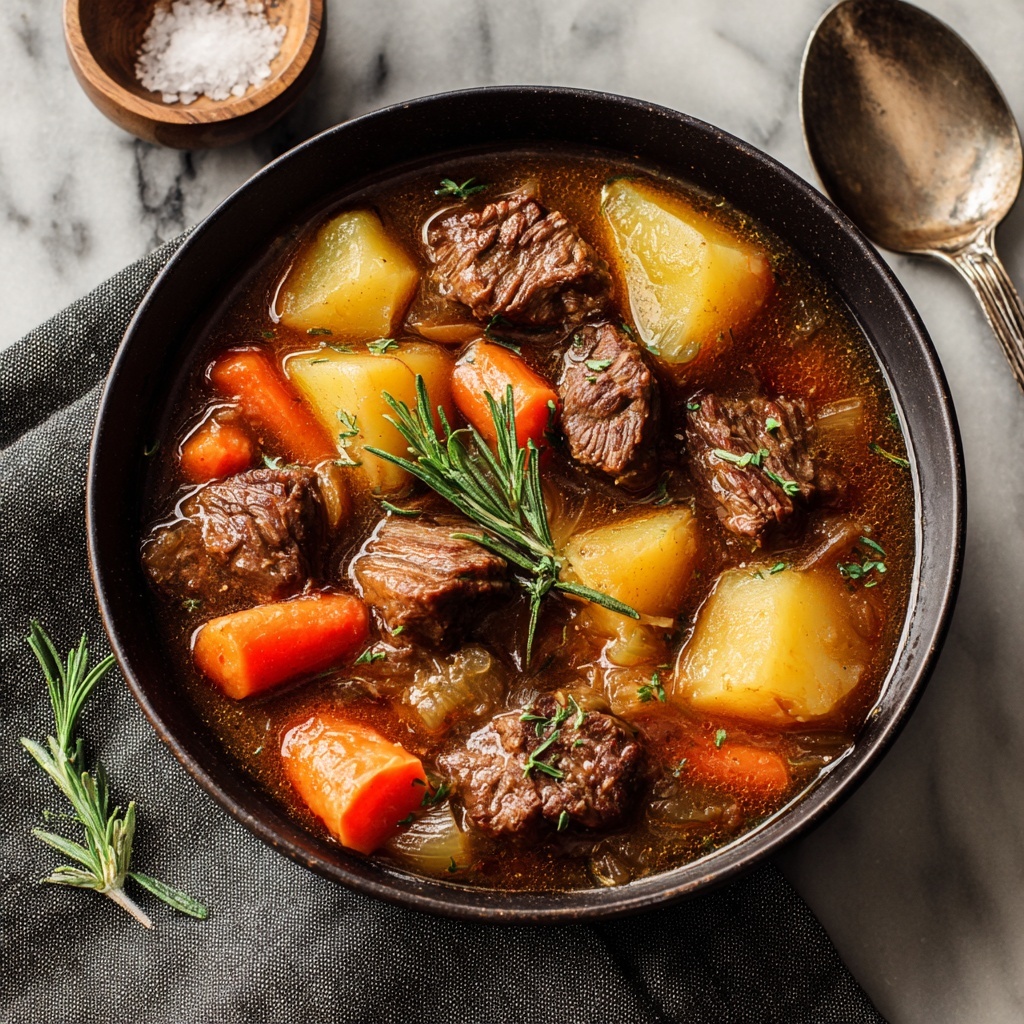
Getting the ingredients right is key to nailing this stew, and luckily, they’re straightforward and wholesome. Each one plays an important role from building the flavor base to enriching the texture and giving the stew its inviting color.
- 2 ½ lbs beef chuck, cut into 1 ½-inch cubes: The star protein; it becomes tender and flavorful after slow cooking.
- 2 tablespoons olive oil: For browning beef and sautéing aromatics, adding subtle richness.
- 1 large onion, chopped: Provides sweetness and depth once softened.
- 4 cloves garlic, minced: Adds a fragrant punch that elevates the overall profile.
- 3 tablespoons tomato paste: Concentrates umami and balances the broth’s richness.
- ½ cup red wine (or beef broth): Deglazes the pot, lifting the savory browned bits for complexity.
- 4 cups beef broth: Forms the hearty and robust base of the stew’s liquid.
- 4 carrots, chopped: Sweet, crunchy, and classic root vegetable for texture and color.
- 2 parsnips, chopped: Adds a subtle sweetness and earthy flavor twist.
- 2 russet potatoes, peeled and cubed: Give the stew a creamy, tender bite that soaks up all the goodness.
- 1 small rutabaga or turnip, peeled and cubed: Offers a slightly peppery, rustic note to the mix.
- 2 bay leaves: Infuse a delicate, herbal undertone.
- 1 tablespoon Worcestershire sauce: A hidden gem that deepens savory notes.
- 1 teaspoon dried thyme: Adds fragrant earthiness, pairing beautifully with root vegetables.
- Salt and pepper, to taste: Essential for seasoning at different stages.
- 2 tablespoons flour (for thickening): Gives the stew that perfect velvety consistency.
- 1 tablespoon balsamic vinegar: Brings a tangy depth that balances richness.
- 1 teaspoon smoked paprika: Warmth and gentle smokiness highlight the beef.
- A handful of chopped kale: Added near the end to introduce fresh green vibrancy and nutrition.
How to Make Hearty Beef Stew with Root Vegetables Recipe
Step 1: Brown the Beef
Start by heating olive oil in a large pot or Dutch oven over medium-high heat. Carefully brown the beef chunks in batches, seasoning them with salt and pepper as you go. This step is crucial because it creates those beautiful caramelized edges that boost the stew’s flavor. Once browned, transfer the beef to a plate and set aside.
Step 2: Sauté Aromatics
In the very same pot, toss in the chopped onion and garlic. Cook them gently until the onion turns translucent and soft, releasing their sweetness. Then stir in the tomato paste and let it cook for about a minute. This will deepen the flavor base and add a subtle richness to your stew.
Step 3: Deglaze the Pot
Pour in the red wine (or beef broth if you prefer) to deglaze, using a wooden spoon to scrape up all those delicious browned bits stuck to the bottom. Those bits hold intense beefy flavor that will enrich the broth deeply.
Step 4: Combine Ingredients
Return the browned beef to the pot. Add beef broth, root vegetables (carrots, parsnips, potatoes, rutabaga), bay leaves, Worcestershire sauce, dried thyme, smoked paprika, and a good pinch of salt and pepper. Stir everything gently to combine before bringing it to a rolling boil.
Step 5: Simmer to Tenderness
Reduce the heat to low, cover the pot, and let it simmer gently for 2 to 2 ½ hours. This slow cooking is what makes the beef meltingly tender and allows the flavors to meld into a rich, cohesive stew. Check occasionally to ensure the stew stays at a low simmer.
Step 6: Thicken and Finish
To give your stew a lovely, thickened consistency, mix 2 tablespoons of flour with a bit of cold water to create a smooth slurry. Stir this carefully into the simmering stew and cook uncovered for another 10 minutes. Then stir in the balsamic vinegar for a lively tang and toss in the kale, letting it wilt just before serving.
How to Serve Hearty Beef Stew with Root Vegetables Recipe
Garnishes
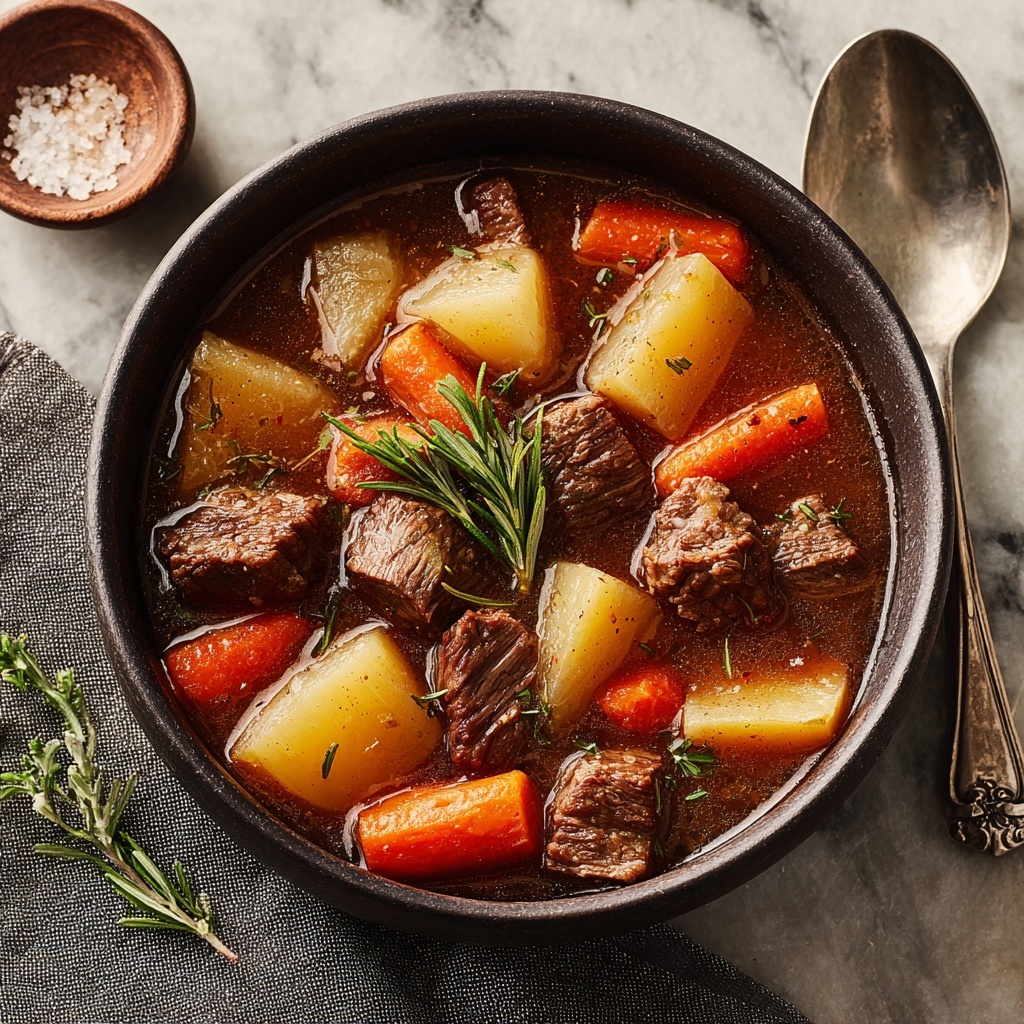
Fresh, vibrant garnishes can make a big difference. Consider sprinkling chopped fresh parsley or thyme over the top for an herbal brightness that contrasts beautifully with the rich stew. A dollop of sour cream or a drizzle of extra-virgin olive oil can also add creaminess and shine.
Side Dishes
Hearty beef stew pairs like a dream with a crusty baguette or warm rustic bread to soak up all the luscious broth. Mashed potatoes or buttery egg noodles make wonderful additions if you want to bulk it up further. For a lighter side, simple steamed green beans or a crisp green salad help balance the richness.
Creative Ways to Present
For a cozy dinner party or special occasion, consider serving this stew in individual mini cast iron pots or even hollowed-out bread bowls—which adds charm and makes eating even more fun. Garnish with a sprig of fresh herbs and serve with a glass of your favorite robust red wine to elevate the experience.
Make Ahead and Storage
Storing Leftovers
This stew actually tastes even better the next day as the flavors deepen and meld overnight. Store leftovers in an airtight container in the refrigerator for up to 3 days. Be sure to cool the stew completely before sealing to maintain freshness.
Freezing
Hearty Beef Stew with Root Vegetables Recipe freezes beautifully. Portion it into freezer-safe containers, leaving some space for expansion, and freeze for up to 3 months. When you’re ready, thaw overnight in the fridge before reheating gently.
Reheating
Reheat your stew on the stovetop over medium heat, stirring occasionally to prevent sticking. If the stew thickened too much in the fridge, add a splash of broth or water to loosen it back up. Heat until everything is piping hot and enjoy like it’s freshly made.
FAQs
Can I use a different cut of beef for this stew?
Absolutely! While beef chuck is ideal because it becomes tender and flavorful with slow cooking, other cuts like brisket or short ribs can also work well. Just keep in mind their cooking times and fat content may vary.
Is it necessary to use red wine in this recipe?
Not at all. The red wine adds depth and complexity, but you can substitute it with extra beef broth or even grape juice for a non-alcoholic option. The stew will still be delicious.
Can I make this stew in a slow cooker?
Yes, you can brown the beef and sauté the aromatics first, then transfer everything to a slow cooker and cook on low for 7 to 8 hours. Add the flour slurry and kale in the last 30 minutes to finish.
What can I use instead of rutabaga?
If you don’t have rutabaga on hand, turnips are a great substitute with a similar texture and slightly peppery taste. Even extra potatoes will work if you prefer a milder flavor.
How do I get a thicker stew without flour?
You can skip the flour and instead mash some of the cooked potatoes and root vegetables against the side of the pot, stirring them back in. This naturally thickens the stew without an added thickening agent.
Final Thoughts
There’s something truly special about a classic Hearty Beef Stew with Root Vegetables Recipe that brings comfort and joy with every spoonful. It’s a dish that invites slow savoring, perfect for sharing with loved ones on cozy nights. Give this recipe a try, and I promise it will become one of your favorite go-to meals whenever you crave that nourishing, stick-to-your-ribs goodness.