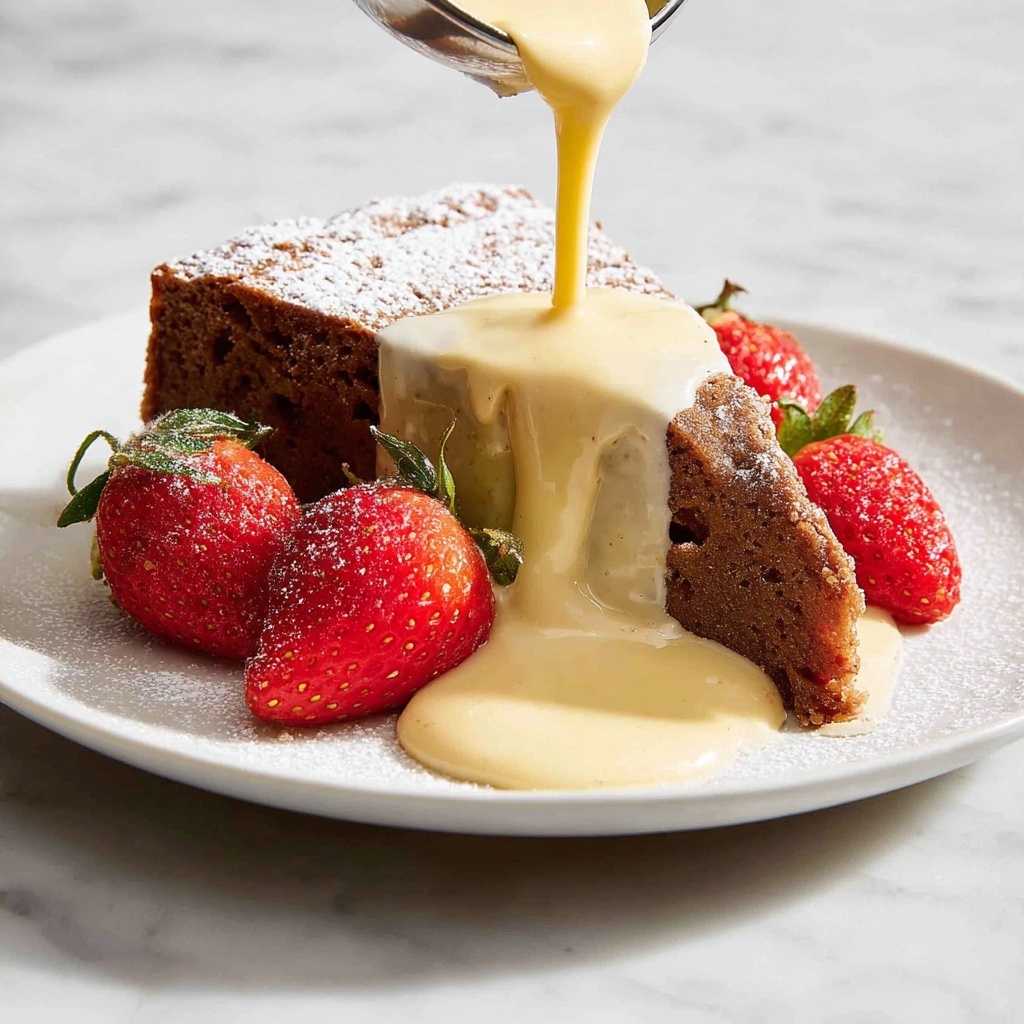
If you’ve ever wanted to master a luscious, silky dessert sauce that elevates everything from cakes to fruit, you’re going to love this Classic Vanilla Creme Anglaise Recipe. This custard sauce is the perfect balance of rich creaminess and delicate vanilla flavor, creating a truly timeless accompaniment that’s surprisingly simple to make at home. Whether you’re impressing guests or just treating yourself, this recipe is a staple you’ll return to again and again.
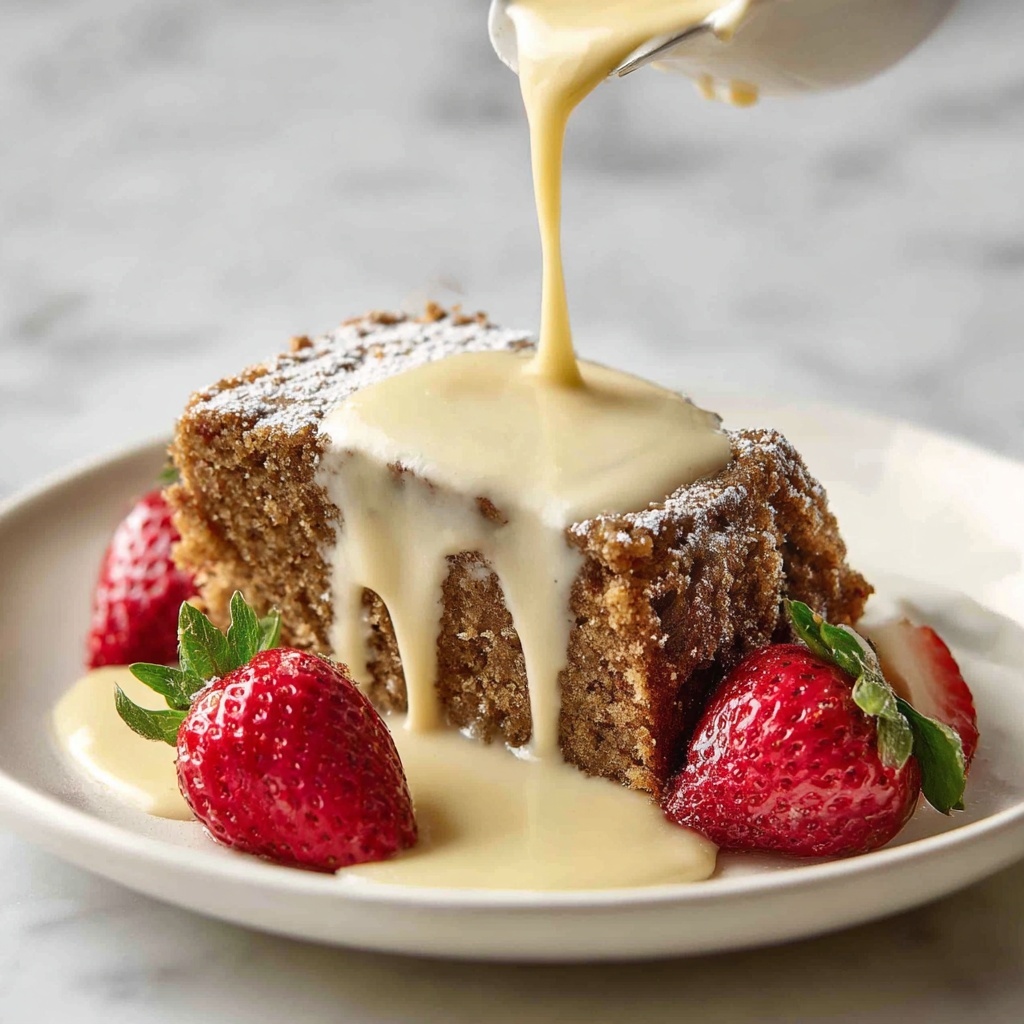
Ingredients You’ll Need
The magic of this Classic Vanilla Creme Anglaise Recipe lies in its simplicity. With just a handful of carefully chosen ingredients, you create a sauce that is luxuriously smooth and bursting with natural vanilla flavor. Each ingredient plays a key role: cream adds richness, milk lightens the texture, egg yolks give that custardy thickness, sugar sweetens perfectly, and the vanilla bean brings an aromatic depth that no extract can match.
- Vanilla bean: Fresh pods impart the purest, most fragrant vanilla flavor, and scraping out the seeds takes your creme anglaise to the next level.
- Heavy cream (1 cup / 250ml): Provides that luxurious, velvety texture essential to the custard’s richness.
- Milk (1/4 cup / 65ml whole or reduced fat): Lightens the custard slightly and helps balance the creaminess.
- Egg yolks (3): The backbone of this sauce, yolks thicken and bind the ingredients beautifully.
- White sugar (1/4 cup / 50g caster or superfine): Sweetens delicately without overpowering the vanilla’s natural aroma.
How to Make Classic Vanilla Creme Anglaise Recipe
Step 1: Prepare the Vanilla Bean
Begin by carefully cutting a slit down the length of the vanilla bean with a small knife, then scrape out the tiny seeds inside. These seeds are where all the amazing, fragrant vanilla flavor lives. Don’t toss the pod just yet—you’ll be using both seeds and pod to infuse your custard with maximum aroma.
Step 2: Heat the Cream and Milk with Vanilla
In a small saucepan, combine the cream, milk, vanilla seeds, and the scraped-out vanilla bean pod. Warm this mixture over medium heat until it just reaches a gentle simmer, then take it off the heat and let it rest for about 5 minutes. This step allows the flavors to meld beautifully without cooking too fast.
Step 3: Whisk Egg Yolks and Sugar
While your cream mixture is cooling, whisk together the egg yolks and sugar in a separate bowl for about two minutes. You’re looking for a pale, slightly thickened mixture—this ensures your custard will be silky-smooth and sweet enough.
Step 4: Remove the Vanilla Pod
Take out the vanilla pod from the cream-milk mixture and discard it. All that lovely flavor has been absorbed, so the pod has done its job.
Step 5: Temper the Egg Mixture
Very slowly, and while whisking constantly, pour the warm cream mixture into the egg yolks. This is called tempering, and it prevents the eggs from scrambling by gradually warming them up. Once combined, pour the entire mixture back into the saucepan.
Step 6: Cook the Custard
Return the saucepan to low heat—medium-low if you’re using an electric stove—and cook the custard gently. Whisk frequently for the first 3 minutes to ensure smoothness, then almost constantly for the next 5 minutes or until the sauce thickens enough to coat the back of a spoon. You should be able to draw a clean line with your finger through the custard coating the spoon. This is your sign that it’s perfectly cooked.
Step 7: Remove from Heat and Optional Strain
Take the pan off the heat right away to avoid overcooking. If you want an ultra-smooth texture, strain the custard through a fine mesh sieve to remove any tiny bits of cooked egg. This step is optional but highly recommended for a silky finish.
Step 8: Cool and Store
Let the custard cool before transferring to the refrigerator. It will thicken slightly as it cools and can be stored and enjoyed over the next three days. Remember, for the freshest flavor, do not freeze this custard.
How to Serve Classic Vanilla Creme Anglaise Recipe
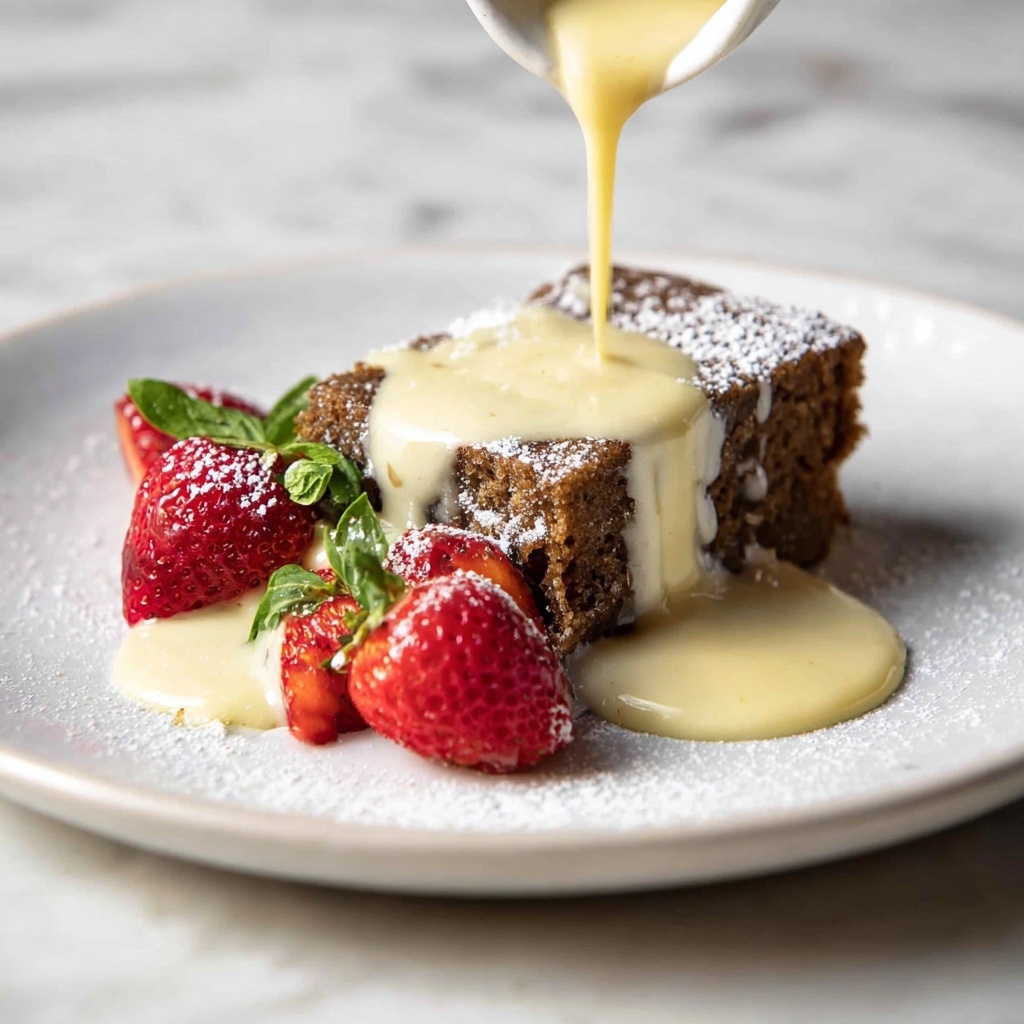
Garnishes
Enhance the appearance and flavor of your Classic Vanilla Creme Anglaise Recipe by adding fresh berries, a sprig of mint, or a dusting of finely grated dark chocolate. These small touches elevate the presentation and introduce complementary textures and flavors.
Side Dishes
This custard is a dream partner for desserts like poached pears, chocolate cake, sticky toffee pudding, or a simple bowl of fresh fruit. Its creamy vanilla notes cut through richer desserts beautifully while adding irresistible moisture and smoothness.
Creative Ways to Present
For a fun twist, drizzle creme anglaise over individual ramekins filled with homemade or store-bought sponge cake, or use it as a dipping sauce for warm biscotti or almond cookies. You can also swirl it into warm fruit compotes or glazes to create a restaurant-worthy dessert experience at home.
Make Ahead and Storage
Storing Leftovers
Your leftover Classic Vanilla Creme Anglaise Recipe should be kept chilled in an airtight container in the refrigerator. It will keep well for up to three days, making it an excellent make-ahead option for busy entertaining.
Freezing
Freezing crème anglaise is not recommended because the texture will change when thawed. The delicate custard base can separate and become grainy, so it’s best to enjoy it fresh or refrigerated only.
Reheating
If you want to serve the custard warm, gently reheat it on the stovetop over very low heat, stirring constantly. Make sure you do not bring it to a boil, which can cause the sauce to curdle. Warm it just enough to loosen and bring back its silky, pourable consistency.
FAQs
Can I use vanilla extract instead of a vanilla bean?
Yes, you can substitute about 1 to 2 teaspoons of pure vanilla extract if you don’t have a vanilla bean. However, using a vanilla bean gives a much richer and authentic vanilla flavor and those pretty black specks that make the sauce truly special.
Why is my creme anglaise curdling?
Curdling usually happens when the heat is too high or you cook the custard too quickly. Always cook over low heat and whisk constantly to ensure a smooth, stable custard without lumps.
How can I tell when the custard is done?
The custard is ready when it thickly coats the back of a spoon and you can run your finger through it and see a clear trail. This is called the nappe stage and is key to the perfect creme anglaise.
Can I make this recipe dairy-free?
While traditional creme anglaise relies on cream and milk, you can experiment with full-fat coconut milk or another creamy plant-based alternative. Keep in mind the flavor and texture will be different, and you may need to fine-tune the ratios carefully.
How is creme anglaise different from pudding or custard?
Creme anglaise is a pouring custard sauce and is much thinner than pudding, which is thicker and often eaten on its own. It is also cooked gently on the stovetop unlike baked custards. Its smooth, pourable texture makes it perfect as a dessert sauce or accompaniment.
Final Thoughts
There’s something truly comforting and elegant about a well-made Classic Vanilla Creme Anglaise Recipe. It’s one of those recipes that feels impressive but is surprisingly straightforward once you get the hang of it. Give it a try—you’ll find it becomes a treasured staple that brings joy to so many desserts and special occasions. Trust me, once you make this silky vanilla custard, you’ll want to share it with everyone you know.