
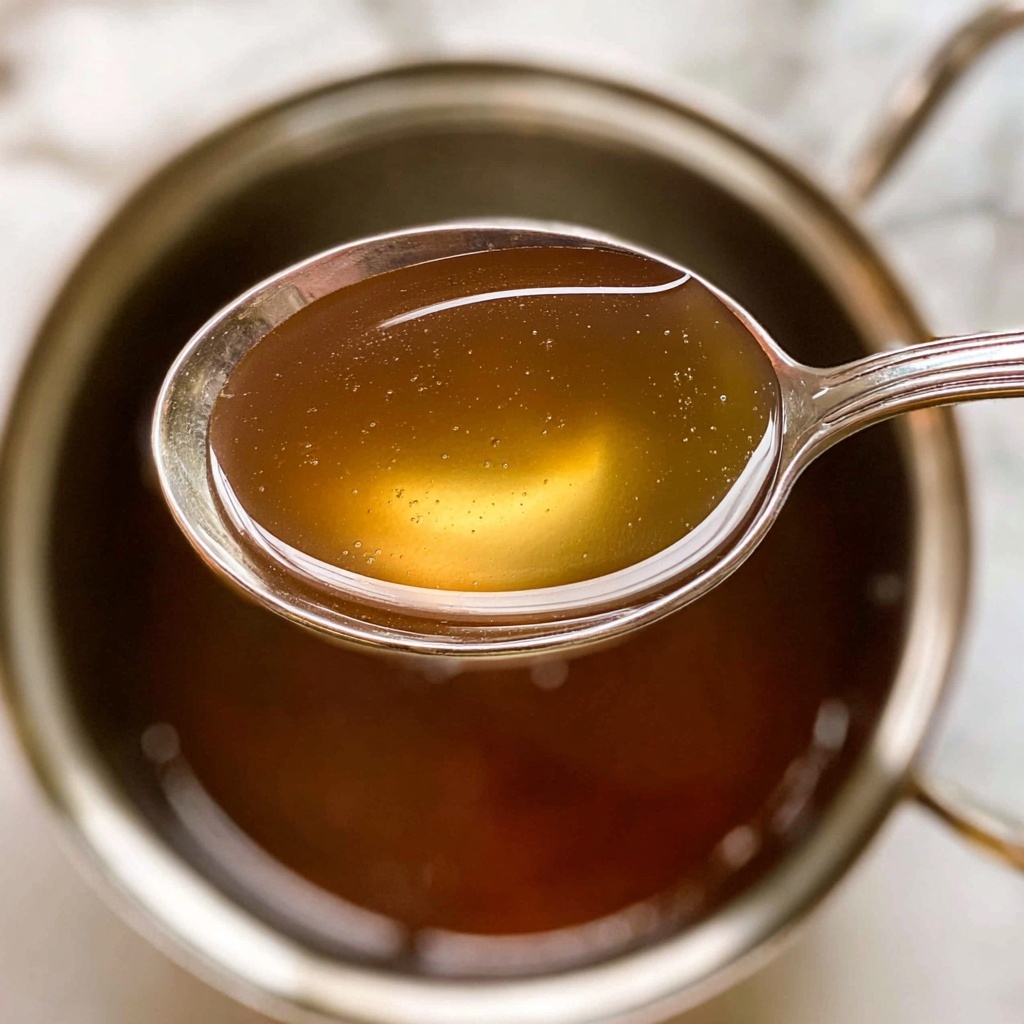
If you’ve ever wished for a rich, flavorful base to elevate your soups, stews, and sauces, let me introduce you to this comforting Homemade Vegetable Stock Recipe. It’s a nourishing elixir crafted from simple, fresh vegetables and herbs, simmered slowly to coax out every bit of natural goodness. Not only does it provide a depth of flavor that store-bought versions can’t match, but it’s also a wonderful pantry staple that brings warmth and complexity to countless dishes. Trust me, once you try this Homemade Vegetable Stock Recipe, you’ll wonder how you ever cooked without it.
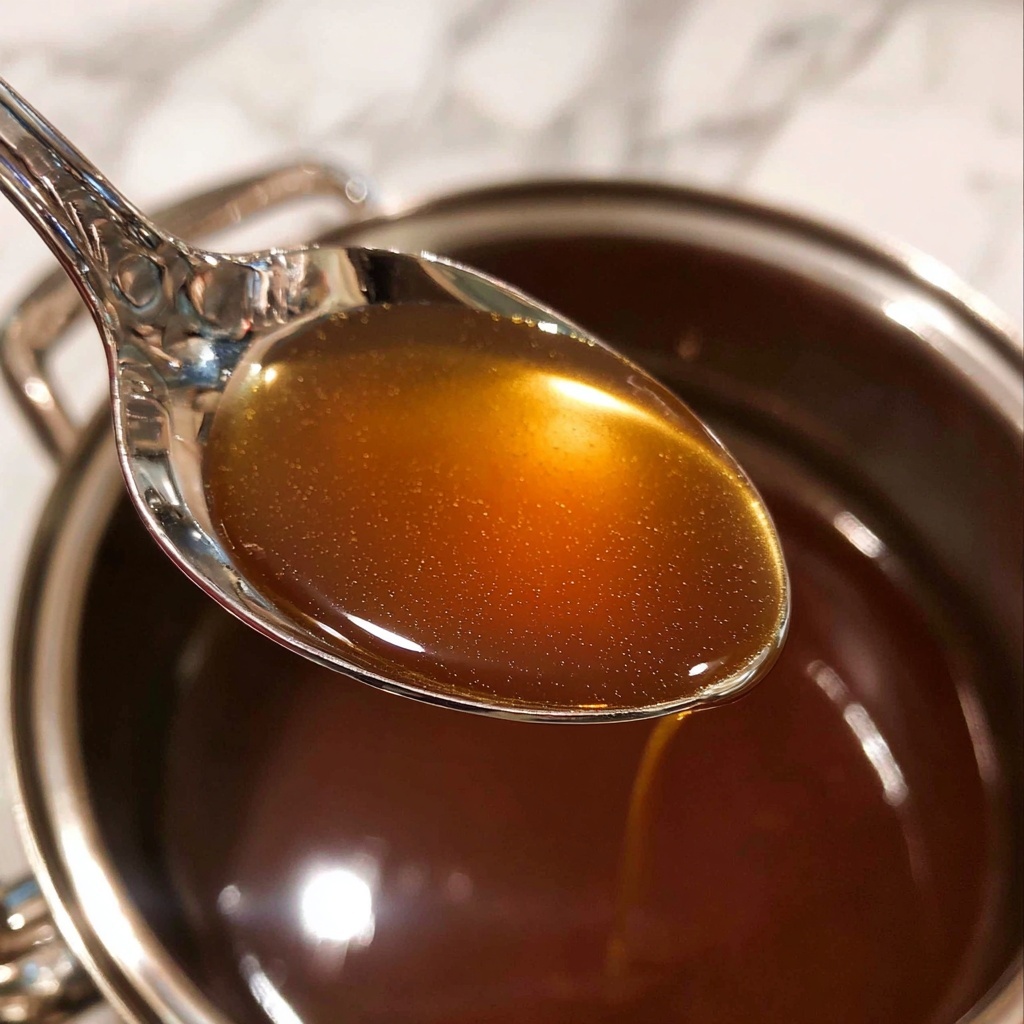
Ingredients You’ll Need
Gathering your ingredients for this Homemade Vegetable Stock Recipe is refreshingly simple, yet each component plays a crucial role in building that perfect balance of flavor, aroma, and color. From sweet carrots to earthy herbs, every item adds a unique note to the symphony of taste.
- 2 litres / 2 quarts water: The base that carries all the infused flavors and creates that beautiful stock consistency.
- 2 medium carrots (unpeeled, cut in 3): Adds natural sweetness and a lovely orange hue to your stock.
- 1 onion (quartered): Brings savory depth and a subtle hint of sweetness once simmered.
- 1 celery stem (cut in 4 pieces): Offers a fresh, slightly herbal undertone that lifts the overall profile.
- 2 garlic cloves (smashed): Infuses gentle pungency and an earthy essence without overpowering the stock.
- 3 parsley stems: Contributes a bright, green freshness to round out the flavors.
- 1 bay leaf: Adds warmth and a faintly floral aroma that enhances complexity.
- 1 thyme sprig: Imparts a subtle, woodsy aroma that harmonizes beautifully with other herbs.
- 1/2 tsp black peppercorns: A mild spice element that lends a gentle kick to the stock.
- 1/2 tsp coriander seeds: Introduces a delicate citrusy flavor that brightens the overall taste.
- 1 tsp salt (kosher or cooking): Seasons the stock perfectly, mimicking the balance found in good store-bought stocks.
How to Make Homemade Vegetable Stock Recipe
Step 1: Prepare and Simmer
Begin by placing all your carefully selected ingredients into a large pot with 2 litres of water. Bring it to a lively simmer over high heat, then immediately lower it to a gentle simmer to avoid boiling. This slow simmer, with a barely rippling surface, allows the vegetables to gradually release their flavor without becoming bitter. Let it go for about 2 hours uncovered, during which the liquid will reduce roughly by half, concentrating all those beautiful, natural flavors.
Step 2: Strain the Stock
After simmering, it’s time for a little patience and finesse. Strain the mixture through a fine sieve or cheesecloth into a clean container. Press gently on the vegetables to extract every last drop of savory liquid. Ideally, you’ll end up with around 1 litre (4 cups) of golden, aromatic stock. If you have more liquid than needed, simply return it to the pot and simmer further to reduce it to the perfect richness.
Step 3: Use It Your Way
This Homemade Vegetable Stock Recipe is incredibly versatile and can replace any store-bought stock in recipes on a 1:1 basis. Whether it’s a creamy risotto, a vibrant soup, or a hearty stew, your dishes will gleam with the wholesome taste of fresh vegetables and fragrant herbs.
Step 4: Store and Save
Once cooled, transfer the stock to airtight containers and refrigerate for up to 5 days. If you’re planning ahead, freezing portions in jars or flat ziplock bags is perfect for quick use later. Frozen, your stock will stay fresh and flavorful for up to 3 months, ready whenever inspiration strikes in the kitchen.
How to Serve Homemade Vegetable Stock Recipe
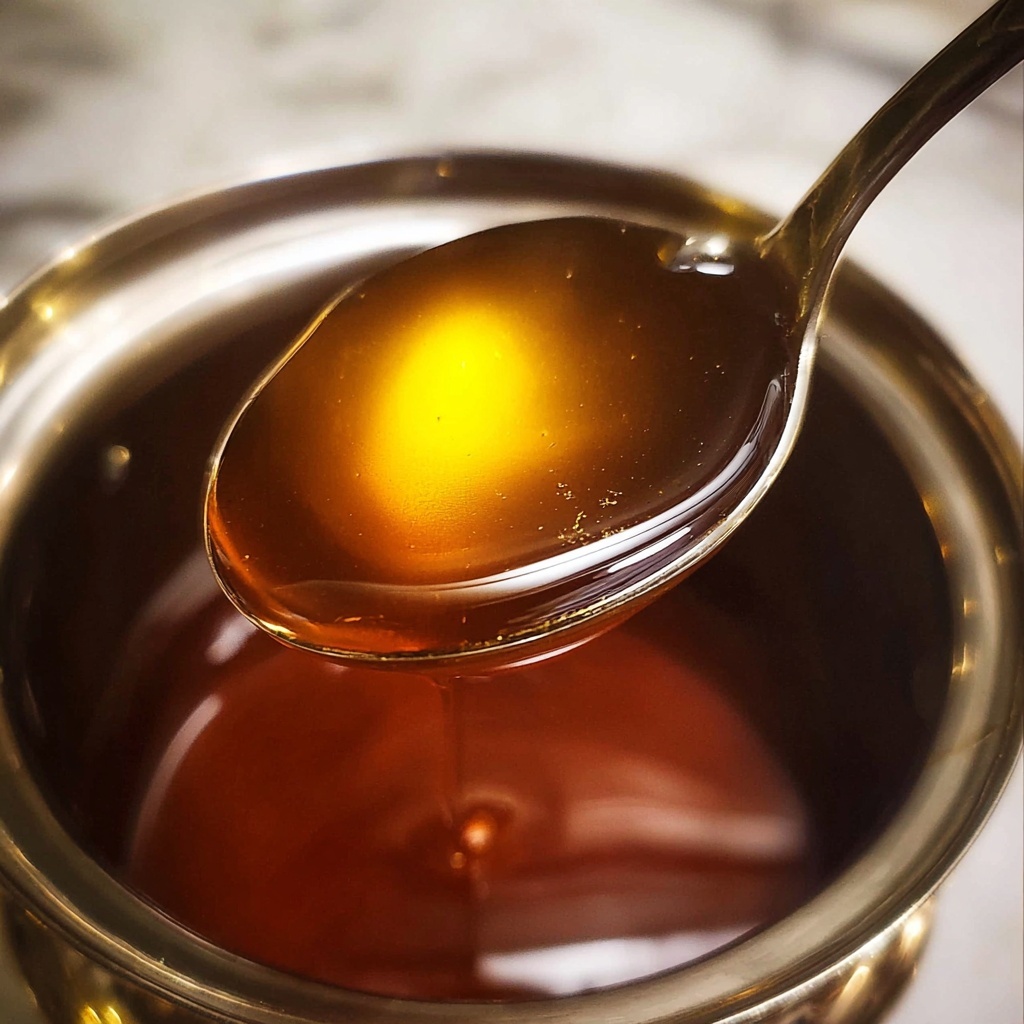
Garnishes
To enhance the experience of your vegetable stock, add delicate garnishes like fresh chopped parsley, a sprinkle of cracked black pepper, or thinly sliced green onions. These simple touches add brightness and texture, making each spoonful feel extra special.
Side Dishes
Serve your vegetable stock alongside crusty artisan bread or fluffy steamed rice to soak up the warm, comforting broth. It also pairs beautifully with light salads or roasted seasonal vegetables, forming a balanced and satisfying meal.
Creative Ways to Present
For a fun twist, try freezing your stock into ice cube trays. These flavorful cubes can be added to sauces or sautéed veggies for an instant boost. Or, use the stock as a base for colorful vegetable soups that showcase seasonal produce in vibrant and appealing ways.
Make Ahead and Storage
Storing Leftovers
Refrigerating leftover stock in a sealed container helps maintain its freshness and body for up to 5 days. Be sure to cool the stock to room temperature before placing it in the fridge to avoid condensation and preserve flavor.
Freezing
Freezing is one of the best ways to keep your Homemade Vegetable Stock Recipe ready for any culinary need. Portion it out into small containers or freezer bags, flattening the bags for efficient freezer space and quicker thawing. This makes grabbing just the right amount for your recipe a breeze.
Reheating
When reheating, warm the stock gently over low heat to maintain its delicate flavors. Avoid boiling, which can dull the taste. Stir occasionally until heated through, then it’s ready to enrich your dish.
FAQs
Can I use other vegetables in this Homemade Vegetable Stock Recipe?
Absolutely! While this recipe uses classic vegetables for a balanced flavor, you can experiment with extras like mushrooms for earthiness or leeks for sweetness, just avoid vegetables like beets which might overpower or alter the color too much.
Do I need to peel the vegetables?
It’s usually not necessary to peel vegetables like carrots or onions because many nutrients and flavors lie just beneath the skin. Just make sure to wash them thoroughly to remove any dirt or residue.
How long can I keep the stock in the fridge?
Your homemade vegetable stock will stay fresh and tasty for up to 5 days when stored properly in an airtight container in the refrigerator.
Is it possible to make this stock in a slow cooker?
Yes! Using a slow cooker is a fantastic way to develop even deeper flavors. Simply add all ingredients and cook on low for 6 to 8 hours, then strain as usual.
Can I add salt later when using the stock?
You certainly can, but seasoning while making the stock helps balance all the flavors early on. If you prefer, you can reduce the added salt and season your dish individually as you cook.
Final Thoughts
Making your own stock from scratch is such a joyful kitchen ritual, and this Homemade Vegetable Stock Recipe perfectly captures that satisfaction. It’s an easy, economical way to infuse your meals with fresh, vibrant flavor and nourish your cooking with pure vegetable goodness. Give it a try—you’ll find yourself reaching for this homemade magic again and again.