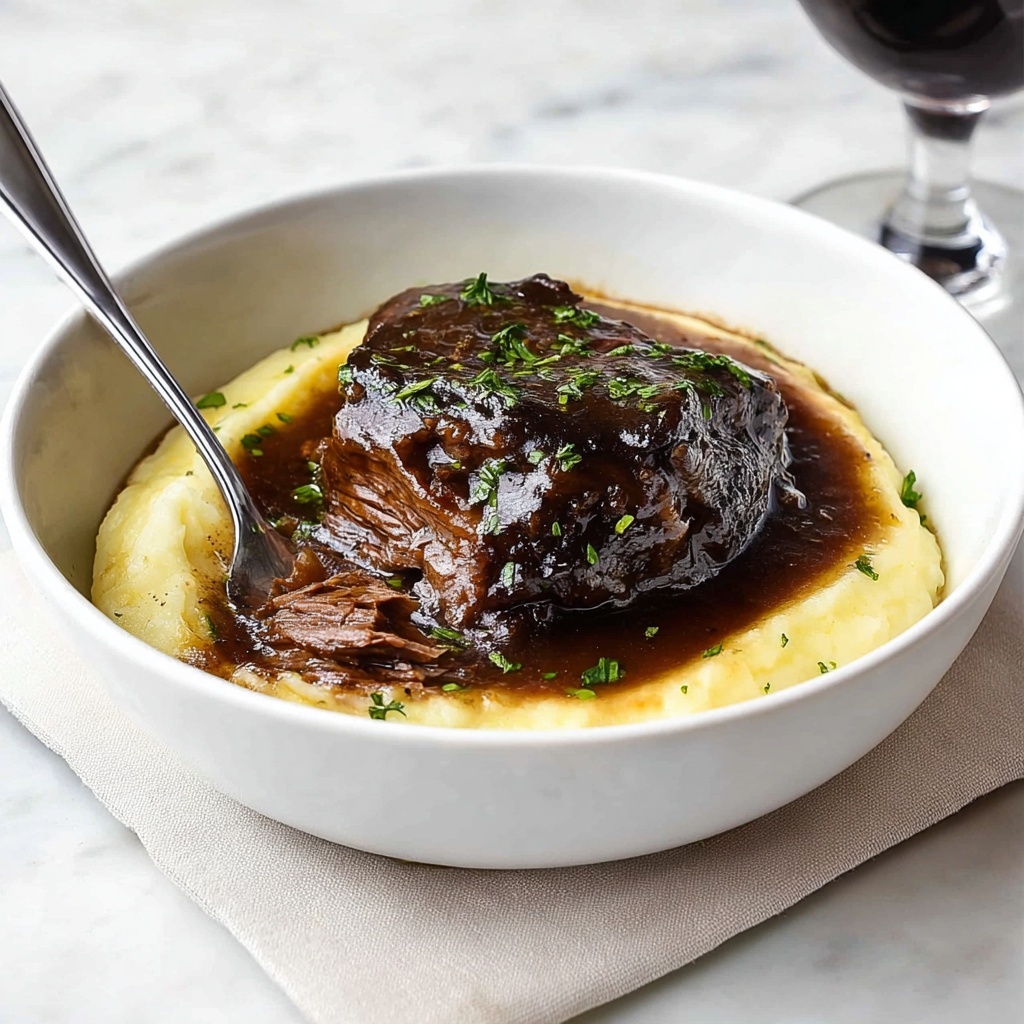
If you’ve been searching for a dish that brings comfort, richness, and a taste of slow-cooked perfection, look no further than this Slow Cooker Beef Cheeks in Red Wine with Vegetables Recipe. Tender, melt-in-your-mouth beef cheeks braised slowly in a luscious red wine sauce with earthy vegetables create a sensational harmony of flavors that will warm you from the inside out. This recipe is a celebration of patience and good ingredients coming together in the most delicious way.
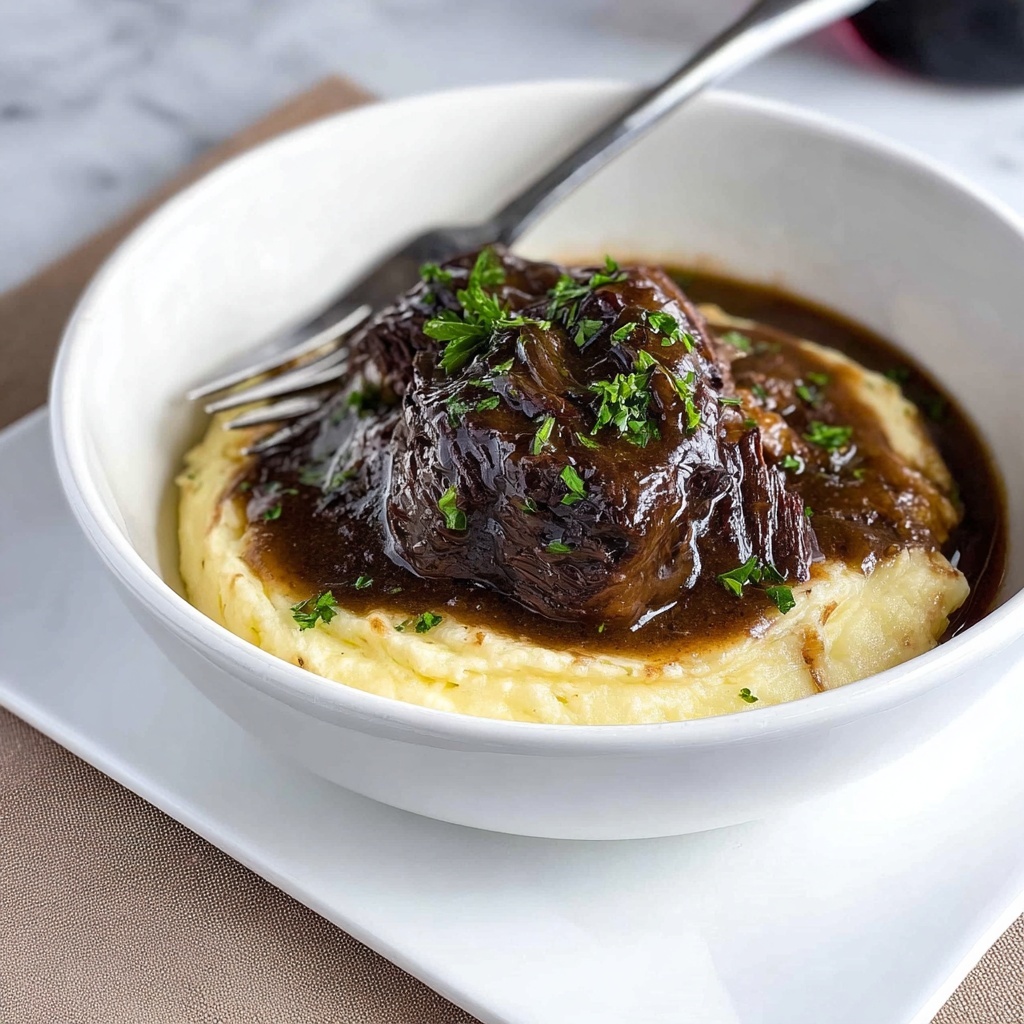
Ingredients You’ll Need
Gathering simple yet hearty ingredients is all you need to create this culinary masterpiece. Each component plays its part, enhancing the depth, aroma, and texture of the dish, ensuring every bite is filled with balanced flavors that complement the beef cheeks beautifully.
- 3 tbsp olive oil (separated): Provides richness and helps develop a beautiful sear on the beef cheeks.
- 1.5 kg/3lb beef cheeks (4 large or 6 small): The star protein, known for its tender texture after slow cooking.
- 1 onion (white, brown, or yellow), roughly diced (about 1 cup): Adds sweetness and a gentle aromatic base.
- 1 celery stalk, roughly diced (about 1 cup): Brings a subtle crunch and fresh flavor to balance the richness.
- 1 carrot, roughly diced (about 3/4 cup): Adds natural sweetness and beautiful color.
- 4 garlic cloves, minced: Infuses the dish with warm, pungent notes.
- 6 stems of fresh thyme or 1 1/2 tsp dried thyme leaves: Introduces herbal earthiness indispensable in slow-cooked dishes.
- 4 dried bay leaves or 3 fresh bay leaves: Give depth and subtle complexity to the flavor profile.
- 1 cup (250 ml) beef stock (broth): Adds moisture and savory richness for an irresistible sauce.
- 2 cups (500 ml) red wine (full-bodied, e.g., cabernet sauvignon or merlot): The magic ingredient responsible for that deep, robust flavor.
- 2 – 3 tsp salt (separated): To season gradually and enhance all flavors.
- Black pepper: Provides a finishing touch of heat and aroma.
How to Make Slow Cooker Beef Cheeks in Red Wine with Vegetables Recipe
Step 1: Prepare the Beef Cheeks
Start by trimming your beef cheeks carefully, removing any large fatty membranes that can cause toughness. Pat each cheek dry with a paper towel—this helps create a great sear. Season thoroughly with 1 teaspoon of salt and freshly ground black pepper. This first step is critical in building flavor right from the start.
Step 2: Brown the Beef Cheeks
Heat 2 tablespoons of olive oil in a large, heavy-based pot over high heat. Once shimmering, add half of the beef cheeks, searing each side until a rich, brown crust forms—this caramelization is pure flavor gold. Remove the browned cheeks to a plate and repeat with the remaining beef cheeks, adding oil if necessary. This step sets the stage for a deeply savory dish.
Step 3: Sauté Garlic and Onion
Lower the heat to medium-high and add the remaining tablespoon of olive oil to the same pot. Toss in the minced garlic and diced onion, letting them cook gently for about 3 minutes until the onion turns translucent and soft. This aromatic base is what gives the dish its inviting fragrance.
Step 4: Add Celery and Carrot
Next, stir in your diced celery and carrot, sautéing for another 3 minutes thoughtfully. These vegetables not only add flavor layers but also contribute to a beautiful color palette that will brighten your final plate.
Step 5: Combine Ingredients and Prepare for Slow Cooking
Return the seared beef cheeks to the pot with the vegetables. Add fresh thyme stems (or dried), bay leaves, beef stock, and the full-bodied red wine. Stir everything together, making sure the beef cheeks are mostly submerged in the liquid. This combination of wine, stock, and herbs is where the magic happens, transforming simple ingredients into a luxurious stew.
Step 6: Transfer to Slow Cooker
Carefully transfer the entire mixture into your slow cooker. Set the temperature to low, cover, and allow the beef cheeks to cook gently for about 3.5 hours. Slow cooking is the key to tender beef cheeks that practically fall apart with the softest touch.
Step 7: Check for Tenderness
After the slow cooking, check the beef cheeks for tenderness—they should be incredibly soft and easy to shred with a fork. If not quite done, give them a little more time, as patience is essential here.
Step 8: Season and Adjust Sauce
Remove the beef cheeks and vegetables from the slow cooker, then skim any excess fat from the sauce. Taste the cooking liquid and adjust seasoning with salt and pepper to your liking. If you prefer, you can thicken the sauce by simmering it on the stovetop for a few minutes until it reduces to a luscious consistency.
Step 9: Serve and Enjoy
Return the beef cheeks and vegetables to the sauce, letting everything warm through before serving. Now you have a sublime Slow Cooker Beef Cheeks in Red Wine with Vegetables Recipe ready to impress any guest or satisfy your coziest cravings.
How to Serve Slow Cooker Beef Cheeks in Red Wine with Vegetables Recipe
Garnishes
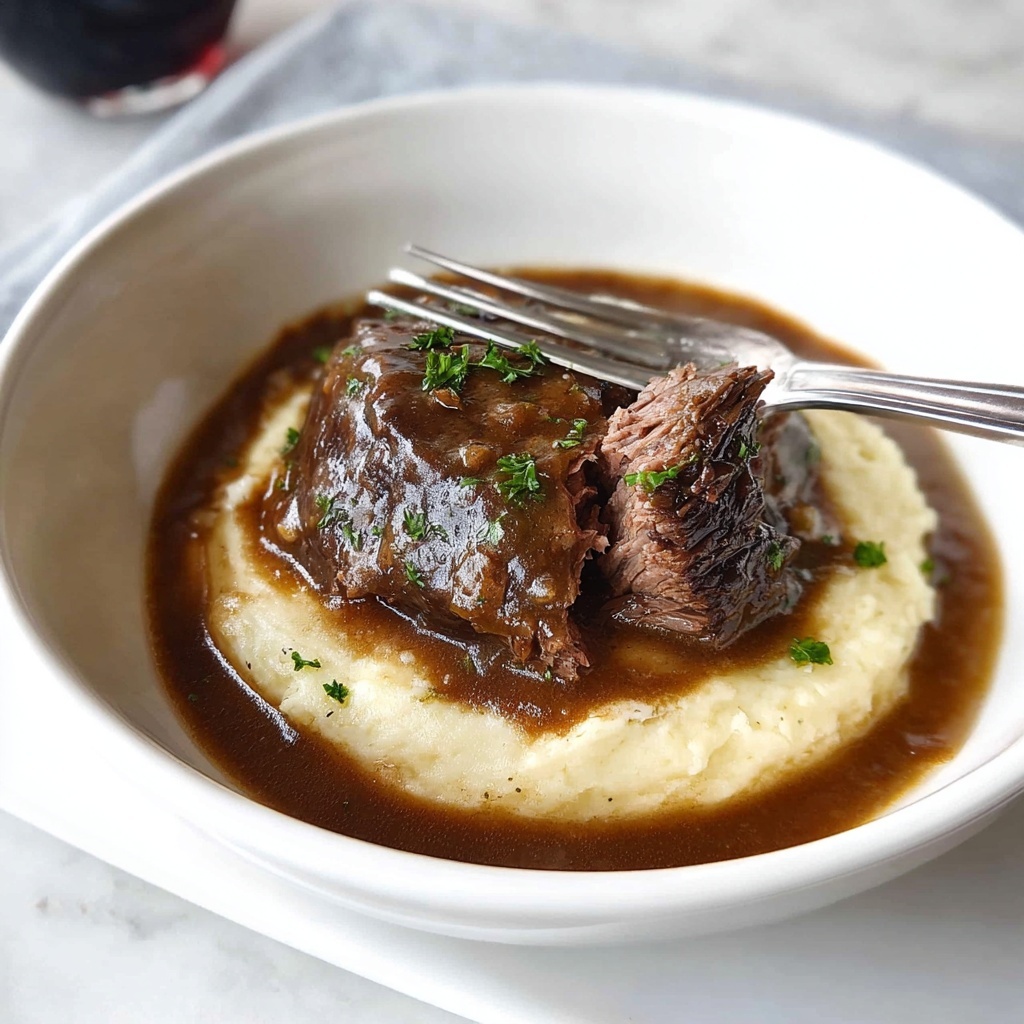
Brighten this hearty dish with a sprinkle of fresh parsley or thyme leaves just before serving. These garnishes add a fresh, herbal note and lovely visual contrast to the rich sauce and tender meat.
Side Dishes
This dish pairs wonderfully with buttery mashed potatoes, creamy polenta, or even a rustic potato gratin. These sides soak up the velvety red wine sauce perfectly, making every forkful a satisfying experience. Alternatively, buttered crusty bread works wonderfully to mop up every last drop.
Creative Ways to Present
For a special occasion, plate the beef cheeks on a bed of soft parsnip puree or wild mushroom risotto to elevate the presentation and add new flavors that complement the dish’s richness. You can also serve it family-style in a large beautiful bowl, inviting guests to dig in rustic-style.
Make Ahead and Storage
Storing Leftovers
Slow Cooker Beef Cheeks in Red Wine with Vegetables Recipe keeps beautifully in an airtight container in the refrigerator for up to 3 days. The flavors only deepen overnight, making leftovers even more enjoyable.
Freezing
If you want to save some for later, freeze cooled portions in freezer-safe containers or heavy-duty bags. This dish freezes exceptionally well for up to 3 months and can be a lifesaver for busy days when you crave something comforting and homemade.
Reheating
Reheat gently on the stovetop over low heat until warmed through. Stir occasionally, adding a little water or broth if needed to loosen the sauce. Avoid using high heat to preserve the tenderness of the beef cheeks and prevent drying.
FAQs
What are beef cheeks and why use them?
Beef cheeks are a cut from the muscle of a cow’s cheek. Though tough when raw, slow cooking breaks down the connective tissue, resulting in incredibly tender and flavorful meat that’s perfect for braising.
Can I use a different cut of meat?
While you can substitute with other tougher cuts like beef brisket or short ribs, beef cheeks offer a unique texture and richness that’s hard to replicate. For this recipe’s signature experience, sticking to beef cheeks is worth it.
What type of red wine works best?
Opt for full-bodied, dry red wines like cabernet sauvignon, merlot, or shiraz. These wines have bold flavors and tannins that break down during cooking, creating a rich and complex sauce.
Can I make this recipe on the stovetop instead of a slow cooker?
Definitely! After searing and sautéing, you can transfer everything to a heavy pot or Dutch oven, cover, and cook on very low heat for 3 to 4 hours until tender, stirring occasionally and checking to ensure it doesn’t dry out.
How do I thicken the sauce if it’s too thin?
Remove the beef cheeks and veggies, then simmer the sauce uncovered on the stovetop to reduce and thicken. Alternatively, mix a small amount of cornstarch with cold water and whisk it into the sauce, cooking until thickened.
Final Thoughts
Creating this Slow Cooker Beef Cheeks in Red Wine with Vegetables Recipe is pure joy for anyone who loves slow-cooked comfort food. The tender beef cheeks, drenched in that rich, red wine sauce, paired with fresh vegetables, make every meal feel special. Don’t hesitate to give it a try—you’ll find it’s a rewarding dish that’s well worth the wait and bound to become a cherished favorite in your kitchen.