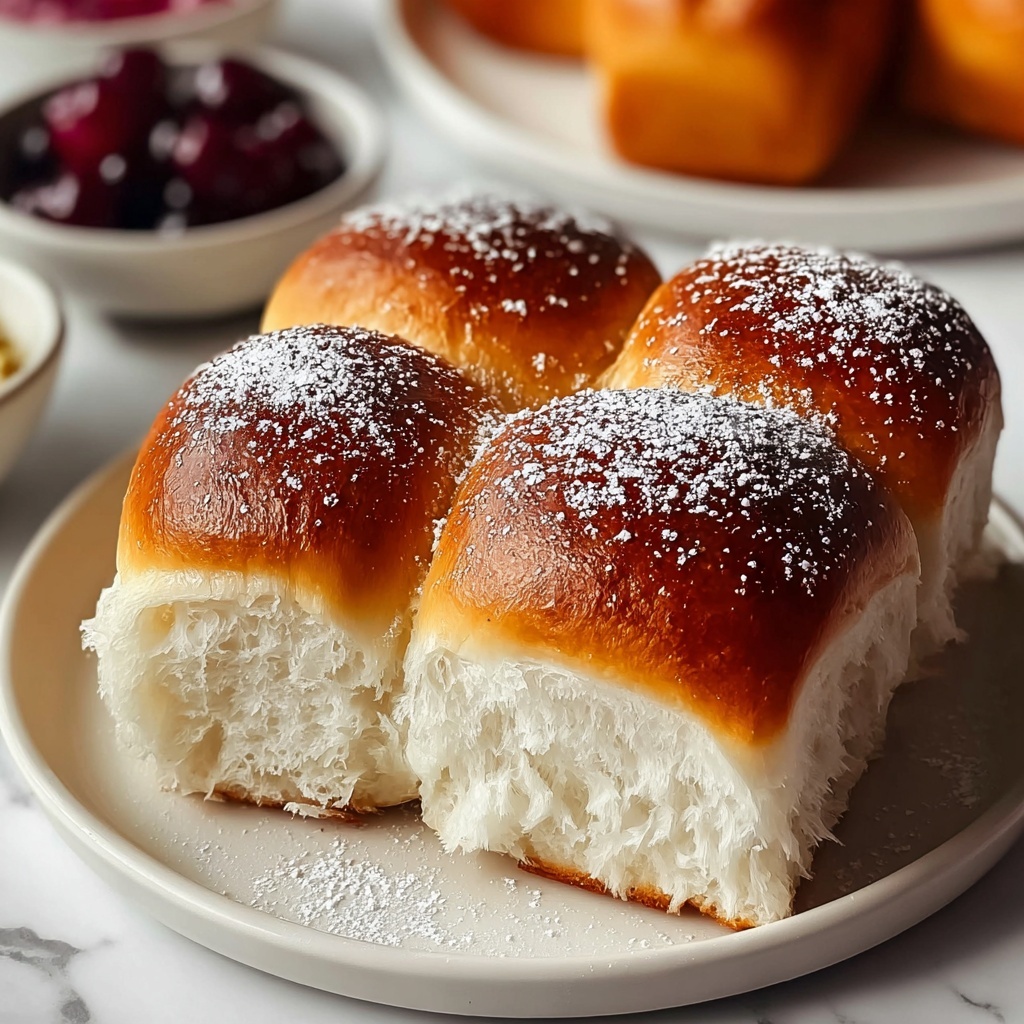
If you are looking for a bread that’s both buttery and delightfully soft with a fragrant hint of sweet vanilla, the Vanilla Brioche Recipe is a perfect choice. This classic French bread brings together the richness of eggs and butter with the subtle warmth of vanilla, creating a loaf that feels like a warm hug from the oven. Whether you enjoy it fresh or toasted, this recipe produces an irresistibly tender crumb with a shiny golden crust that’s sure to become a staple in your kitchen favorites.
Ingredients You’ll Need
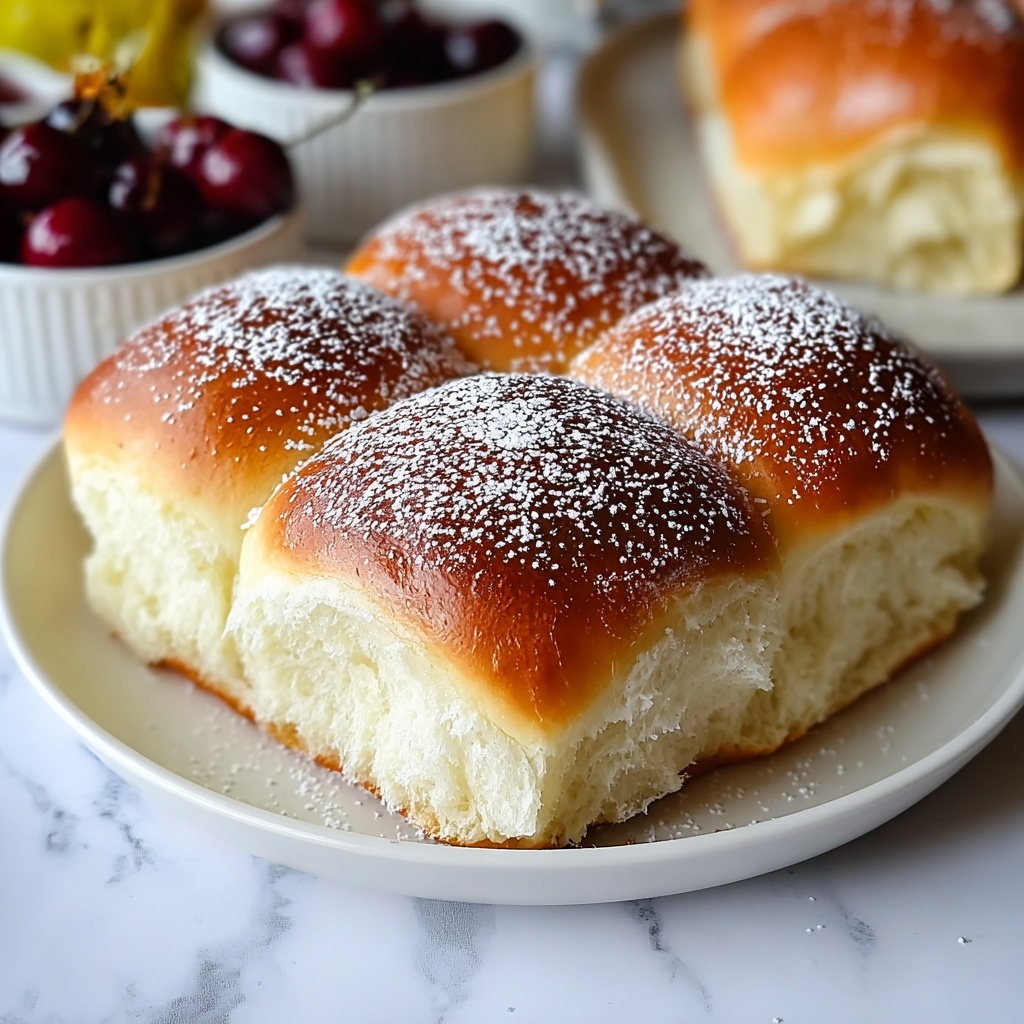
This Vanilla Brioche Recipe relies on straightforward, high-quality ingredients that combine to create a rich flavor and tender texture. Each component plays a vital role, whether it’s the flour providing structure or the butter lending that signature lush softness.
- All-purpose flour: The foundation of the dough, it provides structure and the perfect crumb.
- Granulated sugar: Adds just the right amount of sweetness to complement the vanilla.
- Salt: Enhances the flavors and balances the sweetness.
- Active dry yeast: Gives the brioche its delightful rise and airy texture.
- Large eggs: Key for richness, moisture, and that tender crumb.
- Whole milk: Moisturizes the dough and helps create a soft inside.
- Vanilla extract: Delivers the warm, aromatic flavor that defines this recipe.
- Unsalted butter: The star for decadence and a velvety bread texture.
- Heavy cream: Used to add extra tenderness and richness to the crust.
- Egg (for egg wash): Ensures a glossy, golden-brown finish on the crust.
How to Make Vanilla Brioche Recipe
Step 1: Combine Dry Ingredients
Start by mixing your all-purpose flour, granulated sugar, and salt in a large bowl. This ensures the sweetness and seasoning are evenly distributed right from the start, setting the stage for a balanced, flavorful brioche.
Step 2: Activate the Yeast
In a small bowl, dissolve the active dry yeast in warm whole milk. Let it sit for about 5 minutes until it becomes frothy. This step wakes up the yeast, ensuring your dough will rise beautifully.
Step 3: Beat the Eggs
Lightly beat the four large eggs in a separate bowl. Incorporating eggs early on gives the dough rich moisture and helps develop that tender crumb we all adore.
Step 4: Combine Wet and Dry Ingredients
Add the yeast mixture and beaten eggs to the dry ingredients. Stir gently to start bringing the dough together. This careful mixing results in a dough that’s soft but still resilient.
Step 5: Add Vanilla Extract
Introduce the vanilla extract at this stage. Its fragrant warmth infuses the dough, making this brioche truly special and unmistakably delightful with every bite.
Step 6: Knead the Dough
Turn the dough onto a floured surface and knead for about 10 minutes until smooth and elastic. This critical step develops the gluten, essential for that wonderful rise and airy texture.
Step 7: Incorporate Butter Gradually
Add softened unsalted butter a little at a time, kneading it fully into the dough. This slow incorporation ensures the fat is perfectly emulsified giving the brioche its luxury softness without being greasy.
Step 8: Final Kneading
Knead the dough an additional 5 to 7 minutes until it is soft, smooth, and just lightly sticky. This perfect consistency will lead to a brioche that’s tender but holds its shape beautifully.
Step 9: First Rise
Place the dough in a greased bowl, cover with a towel, and let it rise in a warm spot for 1 to 2 hours until doubled. Patience here pays off with a light, fluffy end product.
Step 10: Punch Down and Shape
After the dough has doubled, gently punch it down to release air bubbles and then turn it onto a floured surface. Divide it into two equal portions and shape each into a round loaf, ready for their final rise.
Step 11: Second Rise
Place the loaves in greased 9-inch round pans and cover loosely. Let them rise again for about 1 hour until puffy and nearly doubled in size. This step ensures a light crumb and beautiful oven spring.
Step 12: Preheat and Prepare the Loaves
Preheat your oven to 350°F (175°C). Next, whisk an egg with a bit of water to create an egg wash, then gently brush it over each loaf for that shiny golden crust.
Step 13: Add Cream and Bake
Lightly warm the heavy cream and drizzle it over the loaves just before baking. The cream helps develop a tender crust and adds a subtle richness. Bake the brioche for 25 to 30 minutes until the tops are golden and the loaves sound hollow when tapped.
Step 14: Cool the Brioche
Let the warm brioche cool for 10 minutes in the pans then transfer to a wire rack to cool completely. Cooling fully prevents sogginess and makes slicing a breeze.
How to Serve Vanilla Brioche Recipe
Garnishes
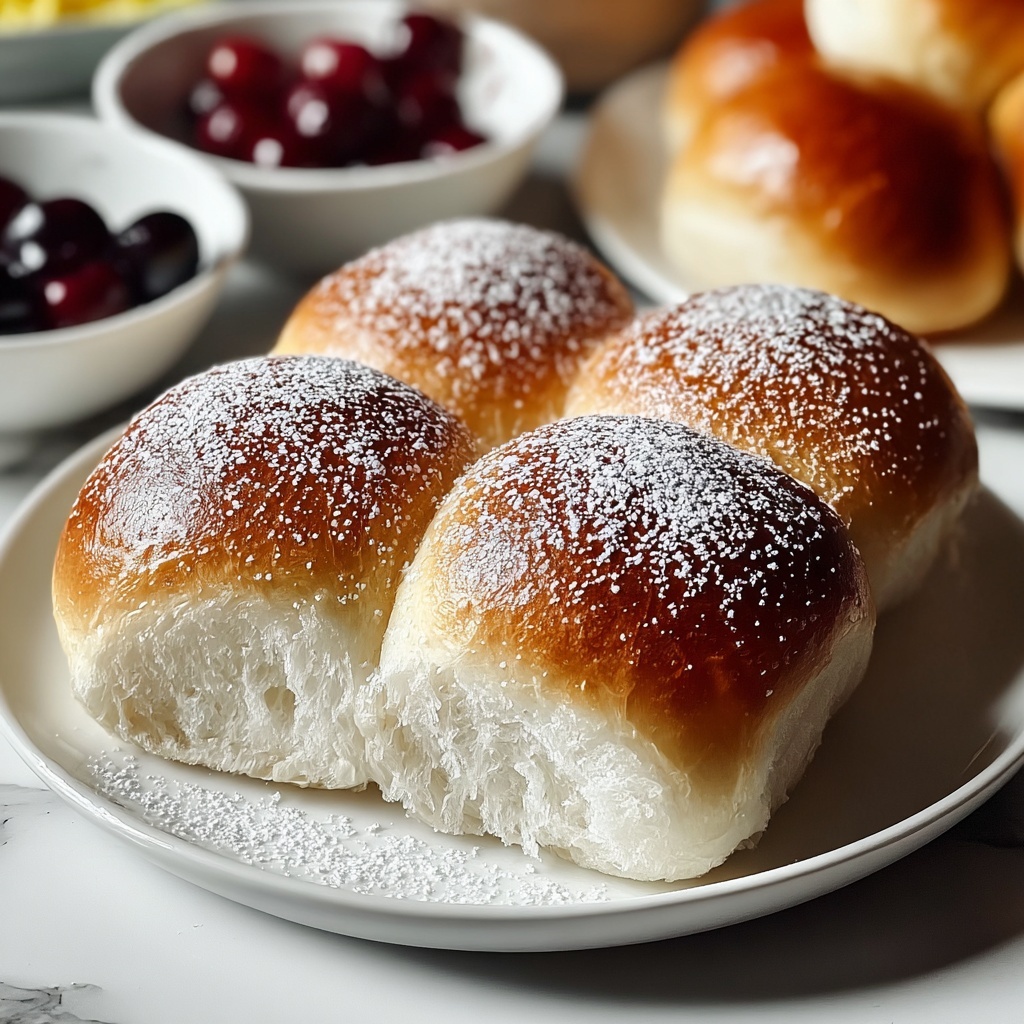
A simple dusting of powdered sugar or a light spread of homemade fruit preserves beautifully complements the soft, buttery texture of your brioche. For a special occasion, a drizzle of honey or a sprinkling of sliced almonds adds elegance and extra flavor.
Side Dishes
This Vanilla Brioche Recipe pairs incredibly well with fresh berries or whipped cream for a breakfast treat. It also shines alongside savory dishes, especially as an indulgent accompaniment to eggs Benedict or a rich stew.
Creative Ways to Present
Slice your vanilla brioche thick and toast lightly for a decadent French toast breakfast, topped with maple syrup and cinnamon. Or turn the loaf into charming mini sandwiches filled with cream cheese and smoked salmon for a fancy brunch. Either way, the versatility of this brioche will impress everyone!
Make Ahead and Storage
Storing Leftovers
Store your leftover brioche wrapped tightly in plastic wrap or in an airtight container at room temperature. It will stay fresh for up to two days, maintaining that soft crumb and subtle aroma.
Freezing
You can freeze the brioche by wrapping it well in plastic wrap followed by foil or a freezer bag. When well-protected, it freezes beautifully for up to 3 months without losing its texture or flavor.
Reheating
Reheat slices gently in a warm oven or toaster to refresh that soft, buttery texture. If reheating a whole loaf, warming it wrapped in foil at a low temperature prevents the crust from drying out while warming the inside perfectly.
FAQs
Can I use instant yeast instead of active dry yeast?
Yes, instant yeast can be used and it may even reduce the rising time slightly. Use the same amount but mix it directly with the dry ingredients rather than dissolving in milk.
What makes brioche different from regular bread?
Brioche is richer due to the significant amounts of butter and eggs, resulting in a tender, soft crumb and a golden-brown crust unlike typical bread loaves.
Is it necessary to use whole milk?
Whole milk is preferred for the richness and moisture it provides, but you can substitute with 2% milk if that’s what you have on hand. Avoid skim milk as it may lead to a drier dough.
Why does the brioche need two rising periods?
The first rise develops gluten and flavor, while the second rise after shaping helps achieve that wonderful lightness and final loaf shape.
Can I add flavors or fillings to this recipe?
Absolutely! Adding cinnamon, citrus zest, or even folding in chocolate chips during shaping can elevate the brioche. Just be sure not to overload the dough to maintain its airy texture.
Final Thoughts
This Vanilla Brioche Recipe is a true delight that brings a touch of French bakery magic into your kitchen. Once you taste its buttery softness and fragrant vanilla aroma, you’ll understand why it’s a cherished classic. So roll up your sleeves, get ready to knead, and enjoy the rewarding experience of baking this irresistible bread that feels like a special gift every time you serve it.